Council Permits and Suspended Parking: What UK Movers Need
Moving day can be noisy, awkward, and just a bit chaotic at the best of times. Add a tight street, a parking suspension, or a council permit requirement, and suddenly a simple house move can turn into a late-starting, stress-heavy scramble. If you are planning a move in the UK, understanding Council Permits and Suspended Parking: What UK Movers Need is not a small detail. It is one of the things that can decide whether the day runs smoothly or turns into a very expensive headache.
This guide explains how council permits and parking suspensions usually work, why they matter, who needs them, and what to do before the van arrives. It also covers the common mistakes people make, the practical checks worth doing early, and the kind of planning that saves you from double parking fines, frustrated neighbours, or a removal truck that cannot get close enough to the property. That last part matters more than people think.
Whether you are arranging a home move, a small flat clearance, or a business relocation, the right parking setup can make the whole job calmer. And yes, it can save time and money too. If your move includes professional help such as home moves, a man and van service, or even a larger vehicle through removal truck hire, this is the sort of planning that pays for itself quickly.
Table of Contents
- Why council permits and suspended parking matter
- How council permits and suspended parking work
- Key benefits and practical advantages
- Who needs this and when it makes sense
- Step-by-step guidance
- Expert tips for better results
- Common mistakes to avoid
- Tools, resources and recommendations
- Law, compliance, standards and best practice
- Options, methods and comparison table
- Case study or real-world example
- Practical checklist
- Conclusion
- Frequently asked questions
Why Council Permits and Suspended Parking: What UK Movers Need Matters
At first glance, parking looks like a side issue. In reality, it can shape the entire move. A van parked too far away means more carrying distance, more labour, more time, and a greater chance of damage. A parking suspension on your street can remove the one bay you were counting on. A permit that was never arranged can lead to a penalty, or at least a stressful conversation with enforcement officers while everyone is trying to lift a wardrobe without scraping a wall. Not ideal.
UK streets are often narrow, busy, and heavily regulated. In many places, especially in denser urban areas, councils manage kerbside space carefully. Temporary parking controls, loading restrictions, single-yellow lines, resident bays, shared-use bays, and suspended spaces all create different rules for movers. The practical result is simple: if you assume a truck can stop anywhere, you are taking a gamble.
For household moves, the risk is usually wasted time and added physical strain. For business moves, the stakes can be higher because staff schedules, access arrangements, and building management rules all come into play. A move that should have started at 8:00 a.m. can be delayed by an hour or more if parking is not sorted. On a rainy Tuesday morning in London, that feels even longer. Truth be told, it is one of those details people only appreciate after something goes wrong.
Expert summary: parking access is not just about convenience. It affects loading distance, move duration, vehicle safety, and the risk of penalties. Treat it as part of the move plan, not a last-minute admin task.
If you are comparing support options, it can help to look at how a moving team handles access and vehicle planning. Services such as house removalists, man with van, or moving truck arrangements often depend on realistic access as much as on volume of belongings. Good planning shows up in the way the day feels: less rushing, fewer unnecessary steps, fewer surprises.
How Council Permits and Suspended Parking: What UK Movers Need Works
Although the terminology varies by council, the underlying idea is usually the same: you need lawful, workable access for the vehicle doing the move. That can mean applying for a parking permit, requesting temporary suspension of a parking bay, arranging loading access, or checking whether the street has restrictions that apply during your moving window.
Council permits in plain English
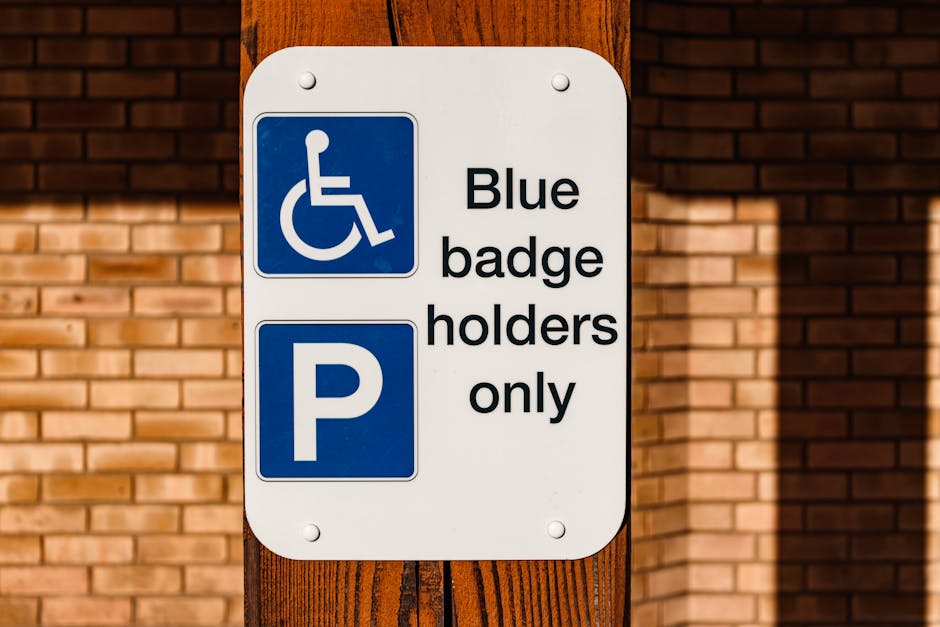
A council parking permit is permission to park in a controlled area under certain conditions. Some permits are resident-based, some are visitor permits, and some are temporary or event-specific. Movers may not always be able to rely on a standard permit alone, especially if the vehicle is commercial or unusually large. Councils differ here, so the safest approach is to check the local rules early rather than assume one permit type fits all.
What suspended parking means
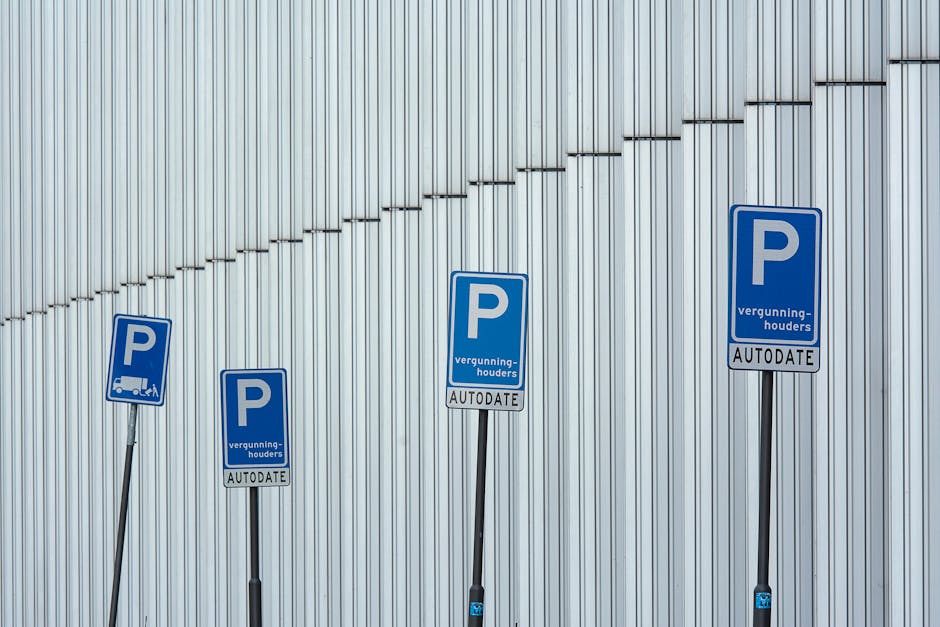
A suspended parking bay is a bay that has been temporarily taken out of normal use. This might happen for roadworks, construction, utility works, crane access, filming, or a specific moving arrangement. If the bay outside your address is suspended, the space may not be usable even if it looks empty. People get caught out by this more often than they should. It looks free. It is not free.
What movers usually need to confirm
- Whether parking is permitted near the property on the moving day
- Whether any suspended bays affect loading access
- Whether the moving vehicle needs a commercial or temporary permit
- How long the vehicle can remain in place
- Whether there are time restrictions, yellow lines, or loading-only rules
- Whether building management also requires separate access approval
For larger or more complex jobs, vehicle choice matters as much as the permit itself. If a narrow street makes larger vehicles difficult to place, a smaller man and van setup may be easier than a big truck. On the other hand, if the move involves volume, fragile items, or long distance loading, a proper truck may still be the right call. The best answer is not always the biggest vehicle. Sometimes it is the smartest one.
Key Benefits and Practical Advantages
Getting parking and permit arrangements right brings more than just compliance. It changes the shape of the day in very practical ways.
- Faster loading and unloading: the closer the vehicle can get, the less carrying you need to do.
- Lower risk of damage: fewer trips mean fewer chances of scuffs, drops, or broken handles.
- Less stress for everyone: nobody enjoys carrying boxes across half a street while traffic builds up behind them.
- Better cost control: reduced time on site often means lower labour costs or less pressure on the schedule.
- Cleaner coordination: neighbours, building managers, and movers all know what is happening and when.
- Fewer enforcement problems: you reduce the chance of fines, objections, or last-minute disruptions.
There is also a softer benefit that people forget. A move that feels organised tends to feel manageable. You hear the trolley wheels on pavement slabs, see the boxes moving in steady rhythm, and the whole thing becomes a process rather than a panic. That matters, especially if you are moving with children, older relatives, or a deadline hanging over you.
If you are also arranging packing help, services such as packing and unpacking services can make access planning easier because the team can work in a more structured way. Likewise, if you are handling commercial premises, the access plan becomes part of a wider relocation strategy, which is exactly where commercial moves and office relocation services can be useful to review.
Who This Is For and When It Makes Sense
Not every move needs a formal permit or suspension request. But quite a few do, and the line between the two is often decided by the street itself, not by how simple the move feels on paper.
Home movers
If you are moving from a terrace on a tight road, a flat with controlled parking, or a property with no driveway, you should assume parking needs checking early. This is especially true in cities where spaces disappear quickly and enforcement is active. For many home movers, a small access problem becomes the biggest source of delay on moving day.
Flat moves and apartment blocks
Apartment blocks often involve multiple rules at once: building entry times, lift booking, loading bay allocation, and on-street parking limits. If the bay outside is suspended, the move team may need an alternative nearby location. That can be fine, but only if everyone knows about it before the first box is lifted.
Business and office relocations
For offices, parking planning matters because teams are trying to reduce downtime. A delay outside the building can disrupt IT equipment movement, desk assembly, and staff handover timings. In these cases, it makes sense to think about access as part of the whole relocation, not just a vehicle issue. Larger operational moves often benefit from proper planning around office relocation services.
Large-item and specialist moves
When the job includes sofas, cabinets, appliances, or bulky stock, parking access affects whether a team can safely load items without excessive carrying. If you are arranging item collection rather than a full move, something like furniture pick up may still need the same basic checks. One awkward bay can make a straightforward collection feel like a puzzle.
When a permit or suspension is probably worth it
- The property has no private parking or driveway
- The road is narrow or heavily restricted
- The moving vehicle is larger than a standard car-derived van
- There is a loading bay you want to reserve
- Parking fines are likely if the vehicle stops informally
- The move involves fragile, heavy, or numerous items
To be fair, plenty of people hope they can "just wing it" on the day. Sometimes that works. Often it does not. And when it does not, the whole day gets heavier, both literally and emotionally.
Step-by-Step Guidance
Here is the practical version. If you want the move to feel controlled rather than improvised, follow a simple sequence and do it early.
- Check the street and building rules. Look at any signs outside the property, building notices, access instructions, and parking controls. If the area already uses resident or permit bays, do not assume moving-day parking is automatic.
- Map the vehicle position. Decide where the moving truck or van ideally needs to stop. Think about the shortest safe carrying route from the property door to the vehicle.
- Confirm whether a council application is needed. Some locations require a permit, some allow loading for limited periods, and some need a parking bay suspension. The requirement depends on the local authority and the road layout.
- Check timing carefully. Moving day arrival times, bay restriction hours, and permit validity all need to line up. Even a small mismatch can cause delays.
- Plan for alternatives. If the nearest bay is unavailable, work out a second-best location. A backup plan is not overcautious. It is sensible.
- Tell everyone involved. Movers, household members, building managers, and anyone helping with access should know the plan. It sounds obvious, but this is where things often fall apart.
- Keep confirmation details close. Save emails, reference numbers, and any written permission in one place so they can be produced if needed.
If you are arranging a larger vehicle, it is wise to check vehicle dimensions against the street width and turning space. A truck that technically fits on paper can still be difficult to position if cars are parked awkwardly on both sides. That is where a service like moving truck planning becomes more than just transport. It becomes access strategy.
And if you are hiring a van for a smaller load, compare the job properly before choosing. Sometimes man with van is enough; sometimes it is better to scale up. The move should suit the street, not the other way around.
Expert Tips for Better Results
A few small habits make a big difference here. Nothing dramatic. Just the kind of practical detail people remember when the day gets busy.
- Start earlier than you think you need to. Council processes can take time, and weekend or bank holiday moves can be more complicated than expected.
- Measure the awkward bits. Doorways, kerb height, bay length, and the distance from parking to front door all affect the workload.
- Ask about suspended bays in writing. A quick confirmation is better than relying on a verbal "should be fine."
- Build in a little slack. If the vehicle can arrive 15 to 30 minutes before the main lift begins, the day usually feels calmer.
- Use the quiet moments well. Early morning streets often look empty, but by mid-morning parking can be much harder. Timing matters more than people like to admit.
- Keep the access route clear. Wheelie bins, bikes, scooters, and loose planters have a way of turning up exactly where you need to walk.
A small bit of judgment goes a long way. In our experience, the best moving days are rarely the ones with the fanciest planning spreadsheet. They are the ones where somebody noticed the practical stuff early and sorted it without drama.
If you are still working through the wider move plan, you may also want to review pricing and quotes carefully. Access problems can affect the quote structure, especially where labour time or vehicle positioning is involved. It is better to ask now than be surprised later.
Common Mistakes to Avoid
Most parking problems are preventable. The trouble is that the mistake usually feels tiny at the start.
- Leaving it to the last minute. This is the classic one. By the time you realise the bay is suspended, the move date is too close for comfort.
- Assuming the driver can sort everything on arrival. Sometimes they can. Often they cannot. A moving day is not the moment to improvise paperwork.
- Forgetting about building restrictions. Some buildings have separate booking windows, loading rules, or concierge checks that matter just as much as council rules.
- Not checking the vehicle size. A small van and a larger removal truck do not create the same access needs.
- Ignoring suspended signs because the bay looks empty. Empty does not mean available.
- Failing to brief helpers. If friends or family are helping, they need to know where to stand, where to park, and what not to block.
There is also a subtler mistake: assuming that a move is "too small to matter." Even a single-bedroom flat can require parking planning if the road is tight. The size of the property does not always match the complexity of access.
Tools, Resources and Recommendations
You do not need a complicated system, but a few simple tools help keep everything straight.
- Phone notes or a shared checklist: useful for recording timings, bay details, and permit reference numbers.
- Photos of parking signs: helpful if you need to compare restriction times later.
- Site measurements: even rough estimates of kerb-to-door distance can help the move team plan.
- Calendar reminders: a good way to avoid missing application deadlines or payment windows.
- Building contact details: handy if access needs to be confirmed on the day.
When you are planning the wider move, it is worth reviewing a company's safety and process standards as well. Pages such as health and safety policy, insurance and safety, and payment and security can give you a clearer sense of how the business handles risk and customer protection. That kind of transparency matters. It really does.
If you care about reducing waste while moving, you may also want to consider how unwanted items are handled. Responsible disposal and reuse can be part of the plan, and recycling and sustainability is a sensible lens to apply when clearing space before a move.
Law, Compliance, Standards and Best Practice
This area sits somewhere between local authority rules, site access policies, and basic moving best practice. Because council processes vary, it is safest to treat any parking permit or suspension requirement as location-specific. What one council allows in a loading bay may be handled differently by another.
For movers and households, the practical legal takeaway is straightforward: do not park where you are not allowed to park. If a bay is suspended, assume it is unavailable. If a permit is needed, arrange it in advance. If signage or restrictions are unclear, ask for clarification before moving day rather than after the vehicle has already arrived.
From an industry best-practice point of view, good movers usually try to do three things well:
- Plan access early so vehicles can be positioned safely and legally
- Match the vehicle to the street rather than forcing a bigger truck into a poor fit
- Keep communication clear with the customer, the driver, and any building or site contact
That approach helps with safety, reduces the likelihood of unnecessary delay, and makes the move more predictable. For businesses in particular, predictable is good. Very good.
One thing worth saying carefully: local councils and enforcement teams can differ in how they handle temporary parking arrangements, especially around suspended bays and commercial vehicles. So while the broad principle is stable, the exact process is not universal. Plan for local variation and you will avoid most problems.
Options, Methods and Comparison Table
Choosing the right parking approach depends on the street, the load, and the type of move. The table below compares common options in plain English.
| Option | Best for | Main advantage | Possible downside |
|---|---|---|---|
| Standard on-street parking | Low-pressure moves on less restricted roads | Simple and often quick | May be unavailable or too far from the property |
| Council parking permit | Controlled parking zones and resident streets | Gives permitted access where available | May not cover every vehicle or every situation |
| Suspended bay arrangement | Loading in a bay that needs to be reserved temporarily | Keeps the space clear for the move | Requires advance planning and local approval |
| Smaller van and short carry | Compact streets or tight access | Easier to place and manoeuvre | May need more trips or more hands |
| Larger truck with planned loading point | Moves with more inventory or bulkier furniture | Efficient for larger loads | Needs stronger access planning |
There is no single best answer for every move. A family house with a driveway is a very different puzzle from a third-floor flat on a one-way street. That is why the parking plan should follow the property, not the other way round.
Case Study or Real-World Example
Here is a realistic example based on a common kind of move. A couple is leaving a flat in a London side street. They have a few larger pieces, several boxes, and a narrow entrance hall that already feels tighter than it looked on the viewing. Their first thought is to park the van directly outside. Sensible enough. But the street has a suspended bay near the entrance and a permit-controlled section along most of the road.
If they had left it until the morning of the move, the driver might have been forced to park a short walk away. That would have meant longer carrying distances, more back-and-forth, and more chance of bumping the sofa through a shared hallway. Instead, the parking situation was checked early. The team used a suitable vehicle, planned a loading point nearby, and kept the route clear. Nothing flashy. Just organised.
The result was not magical, just calm. Boxes moved steadily. The kettle was packed last, as it should be. The road outside stayed manageable. The day finished earlier than expected, and the couple were able to breathe for the first time since breakfast. That is the real benefit of getting access right: the move feels like a job being completed, not a crisis being managed.
For a bigger household or business relocation, the same principle applies. A well-planned access strategy can support everything else, from packaging and loading to transport and set-down. It is one of those hidden parts of the move that makes all the visible parts work better.
Practical Checklist
Use this checklist a few days before the move, then again on the eve of moving day.
- Confirm the move date, arrival window, and vehicle type
- Check whether the street has resident bays, loading restrictions, or yellow lines
- Look for any parking suspension notices near the property
- Find out whether a council permit or temporary suspension is needed
- Measure the walking distance from the likely parking spot to the door
- Tell building management or neighbours if access needs to be kept clear
- Save reference numbers, confirmations, or written approvals
- Plan a backup parking option
- Make sure boxes, trolleys, and tools are ready before the vehicle arrives
- Keep the phone charged in case timing needs to be adjusted
Quick reminder: if the access plan feels vague, it probably needs another look.
Get a free quote today and see how much you can save.
Conclusion
Council permits and suspended parking are not the glamorous part of moving, but they are often the part that decides whether the day feels easy or exhausting. A little planning here protects your time, your budget, and your patience. It also helps the moving team do their job properly, which is something everyone benefits from.
If you remember only one thing, make it this: never treat parking as an afterthought. Check the street, check the signs, check the timing, and if needed, arrange the permit or suspension before moving day. That is the calm, practical way to do it. And on a day that already has enough moving parts, calm is underrated.
When the last box is inside and the street noise fades, you will be glad you handled the access side properly. Small detail, big difference. Funny how that works.
Frequently Asked Questions
Do I always need a council permit for a house move in the UK?
No, not always. It depends on the street, the type of parking control in place, the vehicle you are using, and the rules set by the local council. Some moves can be managed with normal loading access, while others need a permit or temporary suspension.
What is the difference between a parking permit and a suspended bay?
A permit gives permission to park under certain conditions, while a suspended bay is a space that has been temporarily removed from normal use. If a bay is suspended, it may not be available even if it looks empty.
Can a removal van park in a resident bay?
Sometimes, but only if the local rules allow it. Commercial vehicles and moving vehicles may be treated differently from private cars, so it is safer to check the exact council guidance and any signage on the street.
How far in advance should I sort parking for moving day?
As early as possible. A few days may be enough in some cases, but it is much safer to start earlier, especially in busy urban areas or where council approval is involved.
What happens if the parking bay is suspended on moving day?
You may need to use an alternative nearby location, request different access, or adjust the vehicle position. If you discover the suspension too late, the move can be delayed and may become more difficult.
Do movers usually help with parking arrangements?
Many movers will advise on access needs, vehicle size, and practical loading points, but the customer often needs to confirm local parking rules or arrange council permissions. It is best to ask early so everybody knows what is expected.
Is a smaller van better than a large truck for tight streets?
Not always, but often it is easier to position in narrow streets. The right choice depends on how much needs moving, how far the carrying distance is, and whether the job needs fewer trips or fewer manoeuvres.
Can I just ignore a parking suspension if the street looks empty?
No. If a bay is suspended, it should be treated as unavailable unless you have clear permission to use it. An empty bay is not the same thing as a usable bay.
Do office moves need the same parking planning as home moves?
Often, yes, and sometimes even more so. Office moves usually involve schedules, equipment, and building rules that make access planning especially important. A delay outside the building can disrupt the whole relocation.
What should I check before booking a removal truck?
Check the street access, parking restrictions, turning space, loading distance, and whether any council permit or suspension is needed. It is also worth making sure the vehicle size matches the property and the road layout.
What is the most common mistake people make with parking on moving day?
Leaving it too late. People often assume the space outside will be fine, then discover restrictions, suspensions, or permit requirements when it is already too close to the move.
Where do I start if I want a more organised move overall?
Start with access, timing, and the size of the vehicle you need. Then build the rest of the plan around those facts. If the move also involves packing, furniture collection, or a larger relocation, it helps to look at the wider service options and the practical support available.