Recycling and Sustainability at Uk Moving House
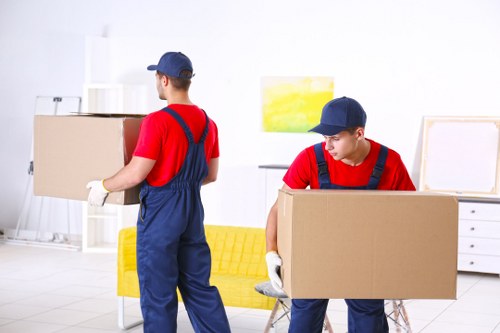
At Uk Moving House we believe every move is an opportunity to reduce waste and lower carbon emissions. Our sustainability program sets a clear target: to divert at least 70% of move-related materials from landfill by 2030. That recycling percentage target guides procurement, operations and partnerships across our teams. We use a combination of reuse, repair and responsible recycling to keep household items and packing materials in circulation. Our uk moving house services focus on practical steps that fit the different boroughs' waste separation schemes, recognising that some councils ask residents to separate food waste, glass, paper and mixed recycling while others operate dual-stream systems.We work to make sustainable moving the simplest option for customers. Our policy emphasises reduction of single-use materials, prioritises reusable crates and blankets, and favours recyclable corrugated cardboard over plastic where necessary. Moving house UK can generate large volumes of cardboard and textile waste; our crews are trained to collapse and sort boxes on-site, separate soft furnishings for reuse, and tag items that can be donated. We also run an internal audit to track tonnes diverted and report progress toward the recycling percentage target annually.
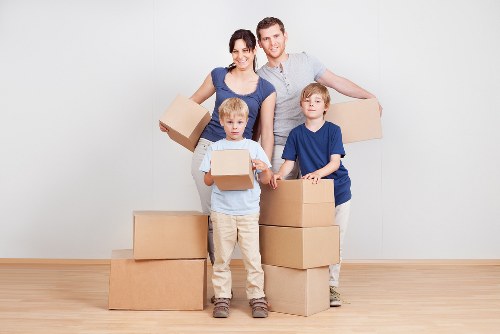 Local logistics and transfer points are central to our approach. We route collections through authorised transfer stations and civic recycling hubs to ensure materials are correctly processed. Our network includes connections with borough transfer stations in Greater London and with regional municipal facilities across the UK, so glass, paper, metals and bulky household items go to the right stream rather than ending up contaminated. We maintain documentation for each load to improve traceability and to demonstrate compliance with local authority waste separation rules.
Partnerships with Charities and Community Reuse
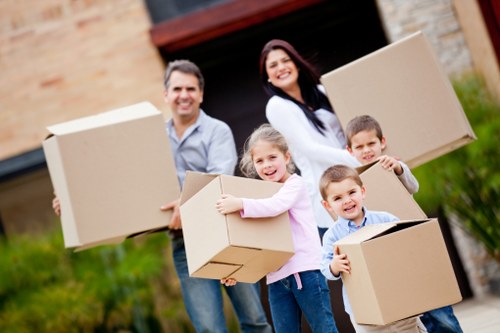
We have established long-term partnerships with local charities and social enterprises to maximise reuse. Partner organisations accept furniture, crockery, clothing and electrical goods that are still serviceable. These relationships reduce landfill, support local communities and give items a second life. Our partnerships include community shops, furniture reconditioning programmes, and accredited electrical re-use schemes where trained technicians test and PAT-check donated items before they are resold or gifted.Our charity collaboration process follows strict acceptance criteria: items must be clean, safe and repairable. When furniture cannot be reused, we channel materials through recycling streams — foam and upholstery are separated from timber and metals. For bulky collections we provide a simple options checklist at booking: donate, recycle, or responsibly dispose. These choices are recorded in the booking notes so the crew can action them consistently across boroughs, regardless of whether the local council operates purple sack schemes, split-bin collections or communal recycling points.
We also coordinate timed drop-offs at local transfer stations to minimise double handling and reduce miles driven. That means fewer vehicle movements, fewer emissions, and quicker turnaround for items that can be salvaged by charity partners or sent on to specialist recyclers. This part of our moving house service ties the operational side of uk moving house activity directly to social benefit and environmental outcomes.
Low-Carbon Fleet and Operational Measures
To cut transport emissions we are transitioning our fleet to low-carbon vans. Our current programme includes battery-electric vans for urban jobs, hybrid vehicles for mixed routes, and Euro-6 diesel where longer-range is necessary while we scale charging infrastructure. These low-carbon vans are fitted with telematics to optimise routing, reduce idling and measure fuel and energy use. Over time we expect the vehicle mix to shift further towards zero-emission models so moving house UK trips become increasingly low-impact.Beyond vehicles, we invest in staff training on eco-driving, efficient packing techniques and minimising repeat trips. Reducing the number of journeys is as important as cleaner fuel: consolidated loads, pre-move surveys and accurate inventories all help reduce empty space and unnecessary mileage. Our sustainability commitments cover both the operational side of UK house moving and the customer-facing choices that influence waste generation on moving day.
 Practical recycling activities we support include:
- Separation and collection of cardboard and paper for pulping
- Glass and metal segregation for direct recycling
- Textile sorting for resale, reuse and fibre recycling
- Electricals routed to authorised WEEE recycling outlets
- Bulky timber and furniture assessed for repair or material recovery
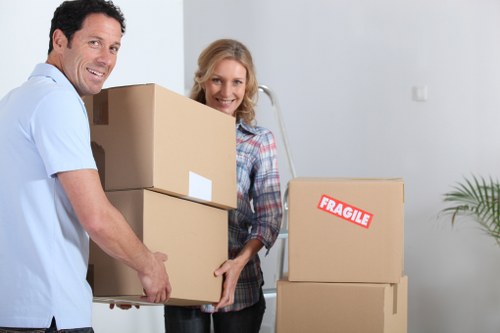 Measuring progress is central: we report diversion rates, estimated CO2 savings from our low-carbon vans, and numbers of items reused via charity partners. Our aim is transparent accountability so that every customer can see how their move with Uk Moving House contributes to the overall recycling percentage target. We also provide suggestions at booking stage to reduce waste — for example choosing reusable plastic crates over single-use boxes, arranging pre-move charity collections, and consolidating small items to decrease packaging needs.
In summary, moving with UK Moving House means choosing a service designed to prioritise sustainability without compromising convenience. From routing through local transfer stations, to active partnerships with charities, to investing in low-carbon vans and staff training, our approach is comprehensive. We are committed to the 70% recycling target by 2030 and to continuous improvement so that moving house is not only easier for customers but better for communities and the climate.
If you book uk moving house services you are opting into a process that emphasises reuse, careful sorting, and verified recycling routes. Together with borough councils, transfer stations and charity partners we make sure fewer items are wasted and more are given a useful second life — a practical, measurable contribution to sustainability every time we move.