Insider tips for packing kitchenware safely for long UK moves
Kitchenware looks harmless right up until you start boxing it for a long move across the UK. Then the clatter begins: plates sliding, mugs knocking, pans scratching, and that one chipped bowl you meant to replace two years ago suddenly becoming a problem. If you want insider tips for packing kitchenware safely for long UK moves, this guide walks you through the methods that really reduce breakages, save time on unpacking, and make the whole move feel less chaotic.
Long-distance moves are a different beast from a quick trip across town. Roads can be rough, vans get loaded tightly, and boxes may be handled several times before they reach your new kitchen. A smart packing plan gives your crockery, glassware, cookware, and small appliances a much better chance of arriving intact. Let's face it, nobody wants to open a box in a new house and hear the sad little rattle of shattered glasses.
This article covers what matters, how to pack different kitchen items, the mistakes people keep making, and the small expert habits that quietly make all the difference. If you're moving home and want extra help, services such as home moves and packing and unpacking services can also take pressure off when you're already juggling everything else.
Table of Contents
- Why this matters for long UK moves
- How safe kitchen packing works
- Key benefits and practical advantages
- Who needs this and when it makes sense
- Step-by-step guidance
- Expert tips for better results
- Common mistakes to avoid
- Tools, resources and recommendations
- Law, compliance, standards, or best practice
- Options, methods, or comparison table
- Case study or real-world example
- Practical checklist
- Conclusion
- Frequently asked questions
Why Insider tips for packing kitchenware safely for long UK moves Matters
Kitchenware is one of the most failure-prone parts of a move because it combines awkward shapes, fragile materials, and a lot of small gaps inside boxes. Unlike clothes or bedding, kitchen items are often rigid, brittle, or heavy for their size. A box filled with plates or glass tumblers can be deceptive too; it may look tidy, but inside there can be pressure points just waiting to crack something during a bumpy journey.
For long UK moves, the risk increases because the journey is rarely smooth all the way through. Boxes can shift in the van, get stacked on top of each other, or be loaded in a hurry when the weather turns. You also need to think about the British reality of moving day: rain on the doorstep, damp cardboard, narrow hallways, and that awkward period where the kettle is already packed but you still need tea. A little planning helps on all fronts.
There's another reason this matters. Kitchenware is not just valuable in a money sense; it's part of how quickly your new home feels liveable. The sooner you have the basics unpacked and intact, the sooner normal life comes back. That matters more than people expect. A working mug and a few plates can make a first morning feel a lot less like camping indoors.
Expert summary: the best kitchen packing is not about using the most materials. It's about using the right materials, packing by item type, reducing movement inside boxes, and loading everything with sensible weight distribution.
How Insider tips for packing kitchenware safely for long UK moves Works
Good kitchen packing works on one simple principle: stop items from touching, sliding, pressing, or rattling. Once you reduce movement, you reduce breakage. That sounds obvious, but in practice it means doing several small things properly instead of one big thing badly. To be fair, that's true of most moving jobs.
Start by separating kitchenware into categories: fragile glass, plates and bowls, cutlery, pans, utensils, ceramics, and appliances. Each category needs a slightly different packing approach. For example, plates should usually be wrapped and packed vertically, while pans can often be nested with paper between them. Glasses need internal padding and a stable box, not just a loose wrap and hope.
The other part of the process is box design. You want strong, appropriately sized boxes, not overfilled ones. Small and medium boxes are usually better for heavy kitchen items because they are easier to lift and less likely to collapse. If a box gets too heavy, it becomes a hazard rather than a container. Everyone knows that one "just one more mug" box that ends up feeling like a sack of bricks.
Then comes loading. Kitchen boxes should sit where they won't be crushed, ideally upright and with the weight spread across the van. If you're using a man and van or arranging a larger vehicle through removal truck hire, tell the team which boxes are fragile so they can be placed carefully rather than wedged under heavier furniture.
Key Benefits and Practical Advantages
Packing kitchenware the right way gives you more than just damage protection. It changes the feel of the move from chaotic to manageable. That sounds a bit grand, but it's true.
- Fewer breakages: The obvious one. Wrapping, cushioning, and correct box size all cut the chance of cracked plates and smashed glasses.
- Faster unpacking: Clearly labelled kitchen boxes mean you can find essentials quickly on arrival.
- Safer lifting: Well-balanced boxes are less likely to tear, tip, or put strain on your back.
- Better van loading: Smaller, stable boxes are easier to stack and protect during the journey.
- Less stress at destination: When the kitchen opens in an organised way, the whole house feels more settled.
There is also a hidden benefit: a better inventory of what you own. When you sort kitchenware properly, you usually notice duplicate items, damaged items, and things you don't actually use. A move is the perfect time to trim the cupboard chaos a bit. Not glamorous, but genuinely useful.
If you're making a bigger relocation and need help with the logistics, house removalists can be a sensible option when you want experienced hands managing heavy or fragile household goods. For some moves, that support is what keeps the whole day from becoming a scramble.
Who This Is For and When It Makes Sense
This advice is useful for almost anyone moving home, but it matters most if you have a lot of fragile kitchen items, are moving a long distance, or simply want to avoid replacing half your crockery after the journey. It's also especially relevant if your move is timed tightly and you need the kitchen to be usable on day one.
It makes sense for:
- Families moving from one part of the UK to another
- Couples combining households and packing duplicate kitchen sets
- Students or renters moving with a mix of cheap and sentimental items
- Anyone with lots of glassware, ceramics, or specialist cookware
- Small businesses relocating kitchen stock or catering equipment
Commercial kitchens are a different challenge altogether, but the same logic applies. If you're dealing with stock, serving items, or breakables at scale, services like commercial moves or office relocation services may be more appropriate than a standard domestic job.
It also makes sense when your current kitchen layout is disorganised. A move can be the clean slate you have been putting off. If you've been living with a random mix of chipped mugs, three spare spatulas, and that pan you only use twice a year, packing becomes the moment to decide what stays. A quiet little reset. Honestly, it can be oddly satisfying.
Step-by-Step Guidance
Here's the practical bit. If you follow this order, you'll avoid most of the common kitchen moving mistakes.
1. Clear and sort everything first
Take everything out of cupboards, drawers, and appliances. Group items by type and decide what you're keeping, donating, recycling, or discarding. This is the best time to separate items that are damaged, mismatched, or no longer useful. Packing fewer things means less risk and less work.
2. Gather the right packing materials
Use sturdy boxes in a few sizes, packing paper, bubble wrap for highly fragile items, strong tape, labels, and markers. Tea towels and clean dish cloths can be handy as extra padding too. Just make sure they're dry and clean, otherwise you'll unpack a funny smell no one asked for.
3. Reinforce the boxes properly
Seal the bottom with strong tape in a double layer. For heavy boxes, add a second strip across the seam in the opposite direction. If the box feels soft or worn, do not risk it. Long moves can be unforgiving, and weak boxes fail at the worst possible time.
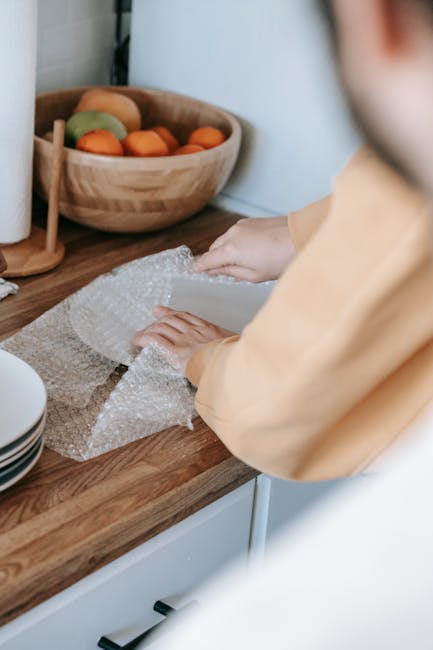
4. Wrap each item with care
Wrap plates individually, glasses one by one, and fragile bowls with extra padding around rims and handles. Avoid leaving exposed corners. For mugs and cups, stuff the inside lightly with paper before wrapping the outside. That small detail often prevents impact cracking.
5. Pack by weight and shape
Put the heaviest items at the bottom and lighter items above, but do not overload any one box. Plates should generally go on edge rather than flat because they handle pressure better that way. Glasses need spaces filled so they cannot collide. Pans and lids can be nested with paper in between to stop scratches.
6. Fill gaps so nothing shifts
Movement is the enemy. Use crumpled paper, towels, or soft packing material to stop items shifting inside the box. When you close the box, give it a gentle shake. If you hear rattling, it needs more padding. Simple test, very useful.
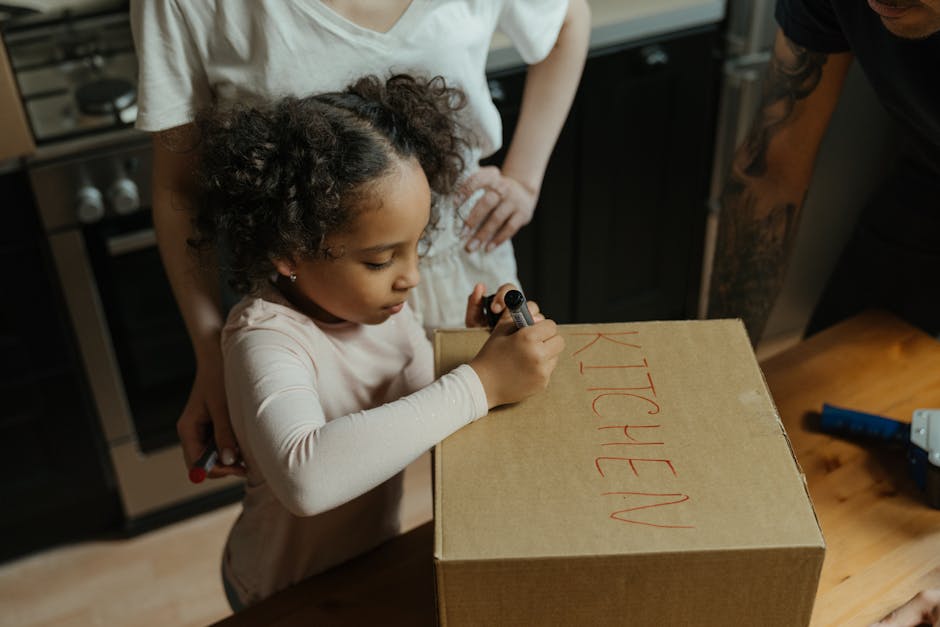
7. Label every box clearly
Mark the room and the contents, for example: "Kitchen - everyday plates" or "Kitchen - glasses, fragile." Add "This way up" if the box contains delicate items that need to stay upright. If you're working with a moving team, clear labels save everyone time and reduce mistakes.
8. Pack an essentials box last
This is the box you'll want first at the new house. Include a couple of mugs, a kettle, tea or coffee, washing-up liquid, one saucepan, a sharp knife if safely wrapped, a tea towel, and some basic cutlery. It sounds small, but on the first night it feels like a miracle.
9. Load carefully into the vehicle
Fragile kitchen boxes should not be crushed under heavy furniture or stacked too high. If you're hiring a vehicle through moving truck or arranging transport through man with van, ask how fragile items are usually secured. Good placement is part of good packing.
Expert Tips for Better Results
These are the little habits that make a noticeable difference. They're not flashy, but they work.
- Use smaller boxes for heavier kitchen items. Plates, tins, jars, and cookware get heavy quickly. A small box is easier to carry and less likely to fail.
- Pack expensive or sentimental items separately. If you have heirloom china or a favourite serving dish, treat it like its own mini project.
- Don't overdo the bubble wrap. It protects delicate glass, yes, but too much can create awkward shapes and wasted space. Balance is better.
- Keep sharp items wrapped and boxed together. Knives and peelers should never be loose in a mixed box. That's just asking for trouble.
- Photograph unusual setups before disassembly. If you're packing a coffee machine, food processor, or fitted kitchen item, a quick photo can save time later.
- Pack in zones, not random bits. One cupboard at a time is much better than moving between drawers and shelves with no system.
One thing people often miss is the value of room temperature and moisture. On damp UK moving days, cardboard can soften quickly if it's left on a wet floor or outside for too long. Keep boxes indoors as much as possible, and don't load them onto soggy paving for half an hour while everyone chats about keys and parking. It happens. More than it should.
If sustainability matters to you, think about reusing clean packing materials and separating items for reuse or recycling where appropriate. The company's recycling and sustainability approach may also be worth reviewing if you want to reduce waste during the move.
Common Mistakes to Avoid
Most breakages happen because of a few repeat errors. The good news? They're easy to avoid once you know them.
- Using boxes that are too big. Oversized boxes tempt people to overpack, which leads to crushing and awkward lifting.
- Packing too loosely. Empty space allows movement, and movement causes damage.
- Mixing heavy and fragile items carelessly. A saucepan under glasses is not a good idea. Not even a little bit.
- Leaving lids and loose parts unwrapped. Handles, lids, and stems snap or scratch surprisingly easily.
- Forgetting to label fragile boxes. People aren't mind-readers during a move. Clear labelling matters.
- Sealing boxes badly. Cheap tape or a weak seam can ruin a whole box, even if the packing inside was excellent.
- Not preparing an overnight kitchen kit. If your kettle, cups, or basic utensils disappear into the back of the van, your first evening gets more awkward than it needs to be.
And yes, one slightly embarrassing but common mistake is packing in a hurry at the end of the day, when everyone is tired and a bit cross. That's when people start tossing items into whatever box is nearest. If you can, pack the kitchen before the final night. Future-you will be grateful. Very grateful.
Tools, Resources and Recommendations
You do not need specialist equipment to pack a kitchen safely, but the right basic supplies make the job much easier.
| Item | Best use | Why it helps |
|---|---|---|
| Small and medium boxes | Plates, glasses, mugs, pans | Reduces weight and limits crushing |
| Packing paper | General wrapping and filling gaps | Flexible, clean, and easy to shape |
| Bubble wrap | Very fragile glass and ceramics | Adds cushion around delicate edges |
| Strong tape | Box sealing and reinforcement | Prevents box failures during lifting |
| Marker pens and labels | Clear identification | Speeds up unpacking and handling |
| Tea towels or cloths | Extra padding for safe items | Useful for wrapping and gap filling |
| Sturdy tote or essentials box | First-night kitchen items | Keeps daily basics easy to reach |
When choosing a moving service, look at practical fit rather than just headline price. For example, if you only need help with a few items and a relatively simple load, man and van may be enough. If you're moving a fuller household, home moves or a larger vehicle through removal truck hire might be more appropriate.
You can also speak with the team through contact us if you need clarification about the most suitable setup for your kitchen items, or if your move involves awkward, heavy, or unusually fragile pieces.
Law, Compliance, Standards, or Best Practice
For most homeowners, kitchen packing is more about best practice than formal regulation. Still, there are a few sensible standards to keep in mind.
First, transport safety matters. Boxes should be packed so they can be handled safely by anyone carrying them. Overweight boxes are a real manual-handling risk, especially on stairs or narrow landings. Good practice is to keep loads manageable and to use proper lifting technique. That's just common sense, but it also reduces injury risk for you and the people helping you move.
Second, if you are using a removal company or man and van provider, it is wise to check how fragile goods are handled and whether insurance and safety arrangements are clear. Not every item is covered in the same way, and assumptions cause problems. Reading the company's insurance and safety information, plus its terms and conditions, is a sensible step before moving day.
Third, if packing materials are being discarded after the move, it helps to separate cardboard, paper, and reusable materials where possible. The exact rules vary by council, but keeping recycling in mind is a good habit and usually makes disposal easier. For a wider view of the company's approach, their recycling and sustainability page is relevant.
Important note: this section is about good moving practice, not legal advice. If your move includes commercial stock, specialist equipment, or high-value items, it is worth checking the provider's documentation carefully and asking direct questions before collection.
Options, Methods, or Comparison Table
There are a few ways to pack kitchenware safely. The best one depends on budget, time, and how delicate your items are.
| Method | Best for | Pros | Trade-offs |
|---|---|---|---|
| Paper wrapping only | Everyday mugs, bowls, utensils | Cheap, quick, easy to source | Less protective for fragile glass |
| Paper plus bubble wrap | Glassware, china, ornaments | Excellent cushioning | Takes longer and uses more materials |
| Tea towel and cloth padding | Pans, sturdy crockery, mixed boxes | Efficient and reusable | Not ideal for very fragile items |
| Professional packing support | Busy households, long-distance moves | Saves time, reduces stress, more consistent packing | Higher cost than doing it yourself |
In practical terms, most people use a hybrid method. They wrap fragile items properly, use reusable cloths for sturdier pieces, and hire help only where needed. That's usually the sweet spot. Not too expensive, not too rushed, and sensible enough to live with.
If you're already comparing moving options, pricing and quotes can help you judge whether partial packing support or a fuller service makes more sense for your move.
Case Study or Real-World Example
Here's a simple real-world example. A family moving from a three-bedroom house in the Midlands to a home in the South packed their kitchen over two evenings rather than all at once. That meant less panic and fewer half-packed boxes sitting around the hallway. They sorted items into four groups: daily use, fragile, storage, and discard.
They used small boxes for plates and jars, wrapped glasses individually, and packed a separate essentials box with mugs, kettle, washing-up liquid, and a saucepan. One person handled the wrapping while another labelled and checked the boxes. Nothing fancy. Just steady teamwork.
On arrival, they found the kitchen boxes easy to identify, and the essentials box meant they could make tea, feed the children, and clear their heads before tackling the rest. No broken glasses. No mystery boxes. No late-night hunt for a can opener. That's the kind of move most people want, even if they never say it out loud.
The small lesson here is that pace matters. Packing slowly and methodically often beats trying to do everything in one exhausted burst. A two-hour start on Tuesday evening can save a great deal of grief on Saturday.
Practical Checklist
Use this list before you seal the last kitchen box.
- Sorted items into keep, donate, recycle, and discard
- Gathered small and medium sturdy boxes
- Prepared packing paper, tape, labels, and markers
- Wrapped all glasses, mugs, and fragile ceramics individually
- Filled gaps so nothing can move inside the box
- Kept heavy items separate from fragile ones
- Reinforced the base of every box properly
- Marked fragile boxes clearly and visibly
- Set aside a first-night kitchen essentials box
- Checked loading plans for the van or removal truck
- Reviewed any insurance or packing conditions in advance
- Separated reusable packing materials for recycling where possible
If you can tick most of those off, you're in good shape. Perfect packing is rare. Safe packing is the real goal.
Conclusion
Packing kitchenware safely for a long UK move is mostly about being calm, methodical, and a bit fussy in the right places. That is not a bad thing. In fact, the small details are what stop breakages, save time at the other end, and make your first night feel normal instead of chaotic.
Wrap items individually, use the right box sizes, stop movement inside each box, and keep your essentials close. If your move is larger, heavier, or simply too busy to manage comfortably, the right moving support can take a lot of strain away from the day.
And once the last mug is unpacked and the kettle is back on, you'll be glad you took the extra care. That first proper cup of tea in a new kitchen? Worth it.
Get a free quote today and see how much you can save.
Frequently Asked Questions
What is the safest way to pack kitchenware for a long move?
The safest approach is to wrap fragile items individually, use sturdy small or medium boxes, fill empty spaces so nothing moves, and keep heavy items separate from delicate ones. That simple structure prevents most damage.
Should plates be packed flat or on edge?
For most moves, plates are better packed on edge with paper or padding between them. This helps reduce direct pressure on the flat surface and often protects them better during a longer journey.
Do I need bubble wrap for every kitchen item?
No. Everyday mugs, pans, and sturdy bowls can often be packed safely with packing paper or clean cloths. Bubble wrap is best reserved for especially fragile items such as fine glassware or delicate ceramics.
How do I pack glasses so they do not break?
Wrap each glass separately, place cushioning inside if needed, and pack them snugly in a box with enough filler material to stop movement. Do not leave gaps. Glassware hates loose space.
Can I use tea towels to pack kitchen items?
Yes, clean tea towels can work well as extra padding for sturdier items like pans, serving dishes, or bowls. They are less suitable on their own for very delicate glass or thin porcelain.
What should go in a kitchen essentials box?
Put in a kettle, a couple of mugs, basic cutlery, one saucepan, washing-up liquid, a tea towel, and any daily-use plates or bowls. This box should be the easiest one to find on arrival.
How heavy should a kitchen box be?
It should be manageable for one person to lift safely. Kitchen items get heavy quickly, so smaller boxes are usually better than large ones. If it feels awkward or strains your grip, it is too heavy.
Is it worth using professional packing help for kitchenware?
If you have a lot of fragile items, limited time, or a long-distance move, professional packing can be well worth it. It is especially useful when you want the job done consistently and without last-minute stress.
How far in advance should I start packing the kitchen?
Ideally, start with non-essential items several days before the move and leave only the basics for the final day. The kitchen often takes longer than people expect, so giving yourself extra time helps.
What should I avoid packing with kitchenware?
Avoid mixing sharp items, heavy tins, and fragile glass in the same loose box. You should also avoid overfilling boxes or using damaged cardboard. Those are two of the quickest ways to cause breakage.
Can kitchen items be moved in wet weather?
Yes, but keep boxes dry and avoid leaving them outside for long periods. Wet cardboard loses strength, and damp packaging can make fragile items more vulnerable during loading and unloading.
What is the biggest mistake people make when packing kitchenware?
The biggest mistake is leaving too much empty space inside boxes. People often wrap items but forget to stop movement. Padding matters just as much as wrapping, sometimes more.
Should I check moving company terms for fragile items?
Yes, absolutely. It is sensible to review the provider's terms, insurance, and safety information before the move so you know how fragile goods are handled and what expectations apply.
If you want a smoother home move, the right packing method makes a bigger difference than most people expect. Start early, pack with purpose, and keep the kettle safe. The rest tends to follow.